Avoiding recruitment mistakes Nepal companies make is essential for building a strong, productive team. Recruitment in Nepal is not just about filling vacancies, it’s about hiring the right people who align with your company’s goals, values, and culture.
Many Nepali organizations still struggle with hiring mistakes in Nepal, such as poor workforce planning, unclear job descriptions, and neglecting compliance. These issues disrupt the recruitment process in Nepal, causing inefficiency, higher turnover, and increased hiring costs.
By identifying and addressing these challenges, companies can improve their HR practices in Nepal, attract better talent, and create a more effective workforce. This article explores the top 7 hiring mistakes in Nepal and provides actionable solutions to strengthen your recruitment strategy.
The Importance of Smart Hiring in Nepal
Avoiding common recruitment mistakes Nepal companies make is crucial for long-term business success. Smart recruitment ensures your workforce aligns with organizational objectives, reduces employee turnover, and promotes productivity.
In today’s competitive job market, effective talent acquisition and strong HR practices in Nepal differentiate successful organizations. Improving the recruitment process in Nepal allows companies to attract skilled talent, foster engagement, and drive growth.
To learn more about structured hiring practices, check out our 8-Step Guide for Recruitment Process in Nepal and Best Recruitment Practices in Nepal
Mistake #1: Lack of Workforce Planning in Nepal’s Recruitment Process
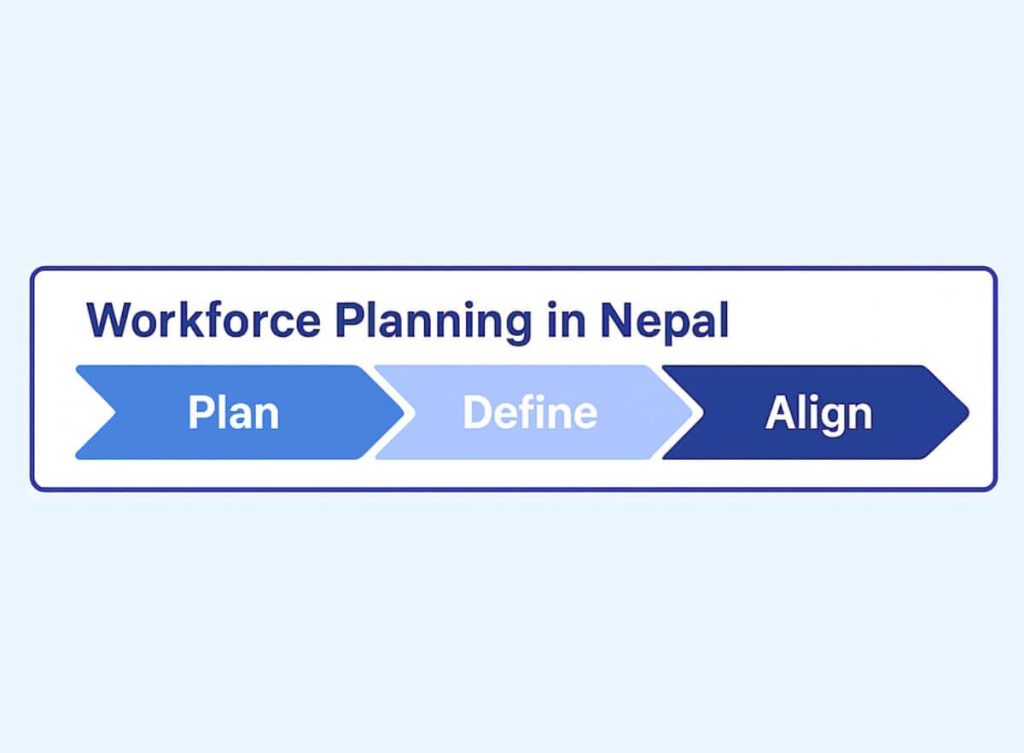
One of the biggest hiring mistakes in Nepal is starting recruitment without clear workforce planning. Many companies post jobs without defining roles, responsibilities, or budgets.
Why It’s a Problem
- Leads to mismatched skills and responsibilities
- Wastes time and resources
- Increases employee turnover
Consequences
- Attracts unqualified candidates, wasting HR time
- New hires may underperform and leave early
- Roles get redefined, doubling hiring costs
How to Avoid It
- Start with workforce planning-define the role, required skills, budget, and outcomes.
- Write a detailed job description including title, key responsibilities, qualifications, and salary range.
- Align each hire with business goals, ask “What impact will this person make in their first 90 days?
For companies looking for professional support, partnering with Top Recruitment Agencies in Nepal ensures workforce planning is accurate and effective.
Mistake #2: Rushing the Hiring Process in Nepal
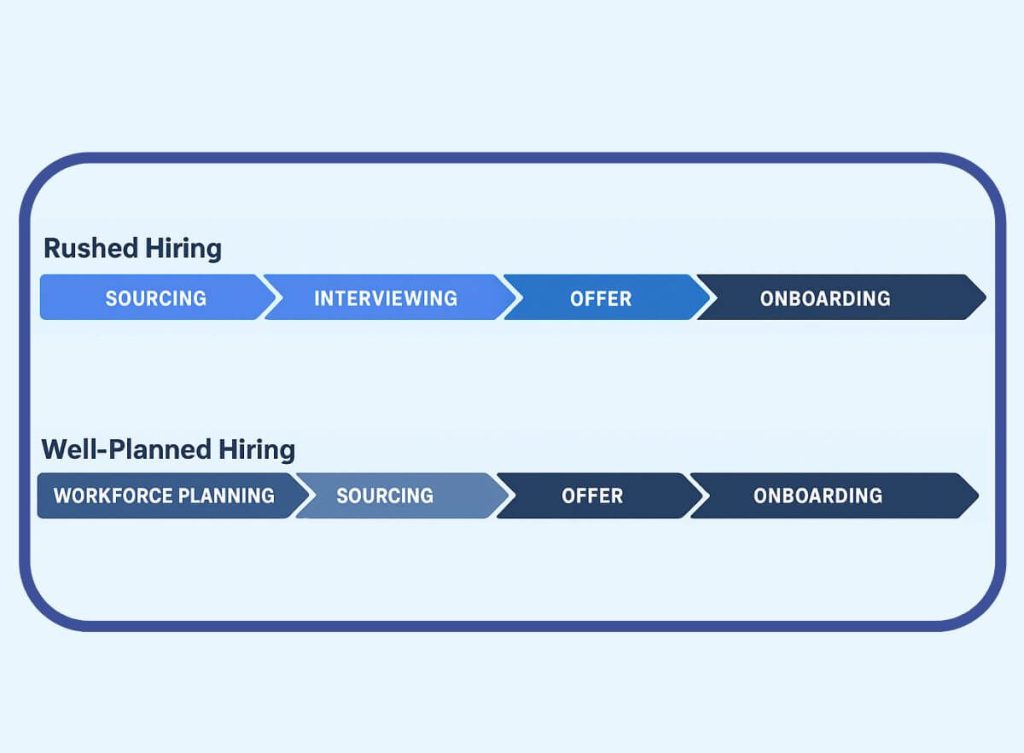
In many Nepali companies, the mantra is “hire quickly.” But speed often compromises quality. Skipping screening, structured interviews, or background checks leads to poor hiring decisions.
Why This Happens
- Pressure to fill roles fast
- Lack of structured hiring process
- Overreliance on informal referrals
Consequences
- Hiring underqualified candidates
- Early resignations or performance issues
- Lower team morale
How to Avoid It
- Implement a structured recruitment process: planning → sourcing → screening → interviewing → offer → onboarding
- Allow realistic hiring timelines
- Use interview scorecards for fairness and objectivity
- Ensure recruitment agencies follow compliant hiring standards
Mistake #3: Ignoring Cultural Fit During Recruitment
Technical skills matter — but cultural fit determines long-term success. A candidate who doesn’t align with company culture may struggle to integrate and impact team performance.
Why This Happens
- Focus only on technical expertise
- Assuming cultural fit without assessment
- Onboarding focuses on paperwork, not integration
Consequences
- Technically sound hires struggle to adapt
- Team motivation and cohesion drop
- Company culture weakens over time
How to Avoid It
- Add cultural-fit interview rounds with behavioral questions
- Introduce mentorship or buddy programs during onboarding
- Clearly communicate company values in job ads and interviews
For expert guidance on aligning hires with company culture, see our Benefits of Using a Staffing Agency in Nepal
Mistake #4: Skipping Background and Reference Checks in Recruitment
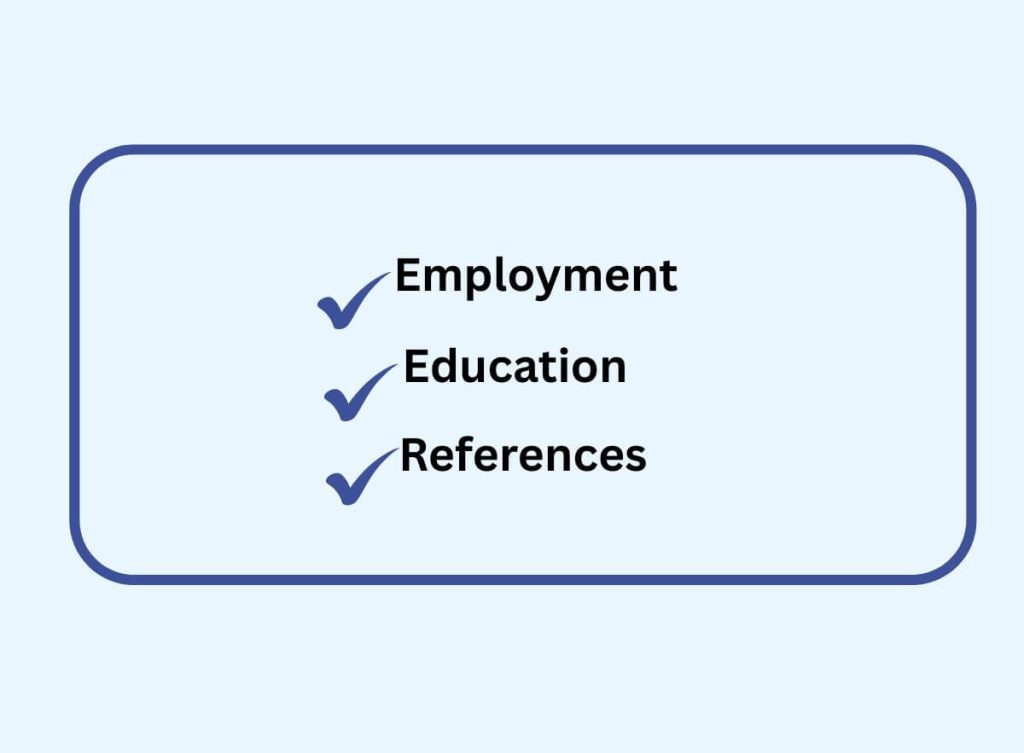
Many Nepali employers still neglect to verify a candidate’s background or credentials, which is a risky and costly mistake.
Why This Happens
- Assuming the information provided by candidates is accurate
- Believing verification is only for senior roles
- Lack of HR processes or third-party support
Consequences
- Hiring candidates with fake credentials
- Compliance or fraud risks
- Damage to company reputation
How to Avoid It
- Check references with previous employers
- Verify education and certifications
- Use third-party verification for sensitive roles
- Follow the Labour Act 2074 (2017) and maintain proper documentation
Learn how recruitment companies handle compliance efficiently in Recruitment Company in Nepal for Businesses
Mistake #5: Lack of Transparency in Salary and Benefits During Recruitment in Nepal
Many Nepali job seekers face unclear salary ranges or vague benefits. This lack of transparency breeds distrust and higher candidate dropout rates.
Why It’s a Problem
- Delays in decision-making
- Offer rejections
- Damaged employer reputation
Consequences
- Candidates lose interest or decline offers
- Early resignations due to unmet expectations
- Budget overruns from unplanned benefits
How to Avoid It
- Include salary ranges and benefits in job postings
- Clearly define bonuses, leave policies, and growth paths
- Use legally compliant contracts referencing the Labour Act 2017
For complete HR compliance and salary transparency, see Best Recruitment Practices in Nepal
Mistake #6: Poor Onboarding in the Nepal Recruitment Process
Hiring success doesn’t end once a candidate is selected — it extends into the early days of their role. Yet, many companies reduce this critical phase to administrative paperwork instead of leveraging it as a strategic tool.
Why This Happens
- Seeing the integration phase as just an administrative task
- No 30/60/90-day plan
- Lack of mentoring or follow-up
Consequences
- Slower productivity
- Role confusion and frustration
- Early attrition
How to Avoid It
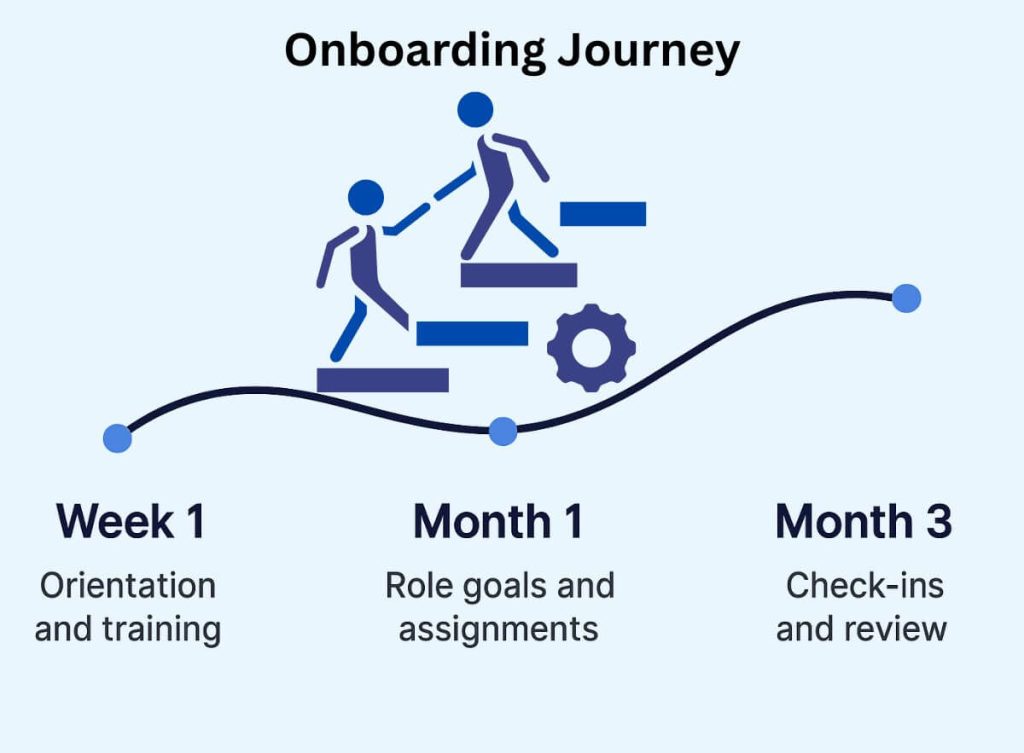
- Create a 90-day onboarding plan
- Assign a mentor or buddy
- Conduct check-ins at Week 2, Month 1, and Month 3
Mistake #7: Ignoring Recruitment Compliance and Legal Steps
Compliance isn’t optional. Some Nepali companies still skip essential legal requirements like written contracts, Social Security Fund (SSF) registration, or documentation.
Why This Happens
- Belief that compliance is optional for small businesses
- Informal hiring practices
- Lack of awareness about legal standards
Consequences
- Fines, penalties, and disputes
- Damaged reputation
- Lower employee trust and retention
How to Avoid It
- Ensure every hire has a written employment contract as per the Labour Act 2017 (Prime Law Nepal)
- Register employees in the Social Security Fund (SSF) and follow minimum wage and overtime policies (Social Security Fund Nepal)
- Conduct annual HR audits for compliance (Nepal Lawyer)
- Stay updated with labour law changes
Recruitment Trends in Nepal (2026 Outlook)
Nepal’s job market is shifting toward:
- Data-driven hiring
- Structured interviews
- Compliance-first recruitment
- Employer branding and candidate experience
Investing in HR technology and professional recruitment agencies improves candidate quality and retention.
Hire Smarter and Faster with Talentsathi – Choose a Recruitment Agency in Nepal
Avoid common hiring mistakes in Nepal by partnering with Talentsathi. We provide:
- End-to-end recruitment services
- Compliance-focused hiring
- Faster and more efficient recruitment for startups and enterprises
Hire smarter, stay compliant, and grow faster — choose Talentsathi today!
FAQ
1. What services does Talentsathi provide?
We offer end-to-end recruitment, staffing, and HR consulting services.
2. How long does the hiring process take?
Typically, between 5–10 business days, depending on the job type.
3. Can Talentsathi help with bulk hiring?
Yes, we manage large-scale recruitment efficiently through our pre-vetted database.
4. Do you charge candidates any fees?
No, our services are completely free for job seekers.
5. Can small businesses or startups use Talentsathi’s services?
Absolutely! We offer flexible and affordable plans for startups and SMEs.
6. Should small businesses follow formal recruitment processes?
Yes, structured hiring ensures compliance, clarity, and better retention.
7. Why is cultural fit important in hiring?
Because it ensures new hires adapt easily, stay longer, and perform better.
8. How can I get started with Talentsathi?
Visit www.talentsathi.com or contact us to discuss your hiring needs — we’ll handle the rest.