Recruitment is the process of attracting, selecting, and hiring the right talent. Modern recruitment practices in Nepal involve smart tools, data analytics, and structured processes to save time, reduce costs, and improve cultural fit and team performance.
By implementing effective and standardized hiring practices, organizations can:
- Attract, screen, and hire the right candidates
- Improve hiring quality and reduce turnover
- Build high-performing teams
- Stay competitive in a dynamic job market
Why Recruitment Practices Are Important in Nepal
Strong recruitment strategies help organizations:
- Recruit the Right Talent: Hire candidates who fit the skills and organizational culture.
- Save Time & Costs: Smart recruitment methods reduce HR workload and expenses.
- Improve Workforce Productivity: Right hires boost efficiency and performance.
- Ensure Compliance & Transparency: Follow legal and ethical hiring practices.
- Support Long-Term Business Growth: Motivated employees drive innovation and growth.
- Fill Skill Gaps: Access skilled talent even in limited local labor markets.
Challenges Faced by Nepali Employers
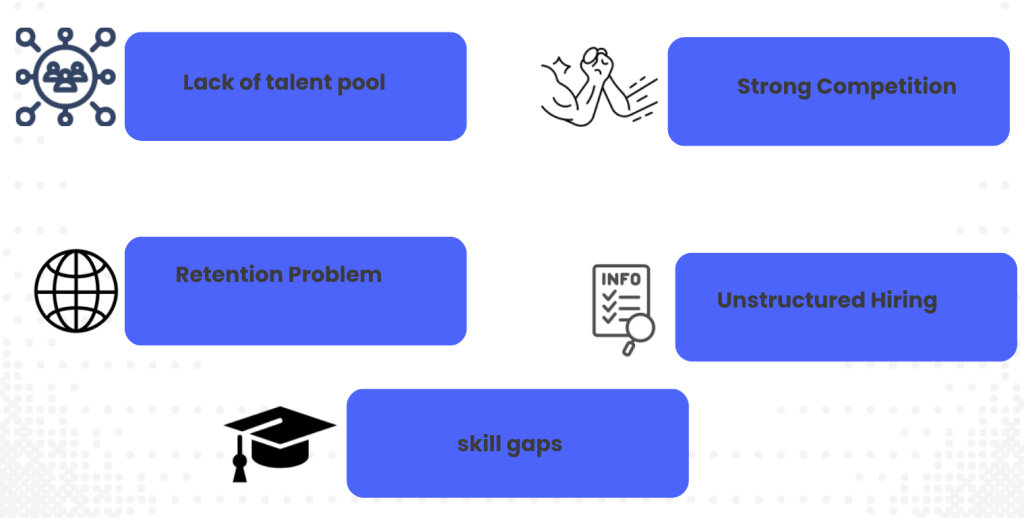
Many Nepali employers face recruitment challenges Nepal that affect hiring quality:
- Limited skilled talent, especially outside Kathmandu
- High competition in IT, healthcare, and engineering
- High employee migration abroad
- Unstructured hiring practices and dependence on referrals
- Skill gaps among new graduates
- Weak employer branding
Why Smart Recruitment Is Essential in Nepal
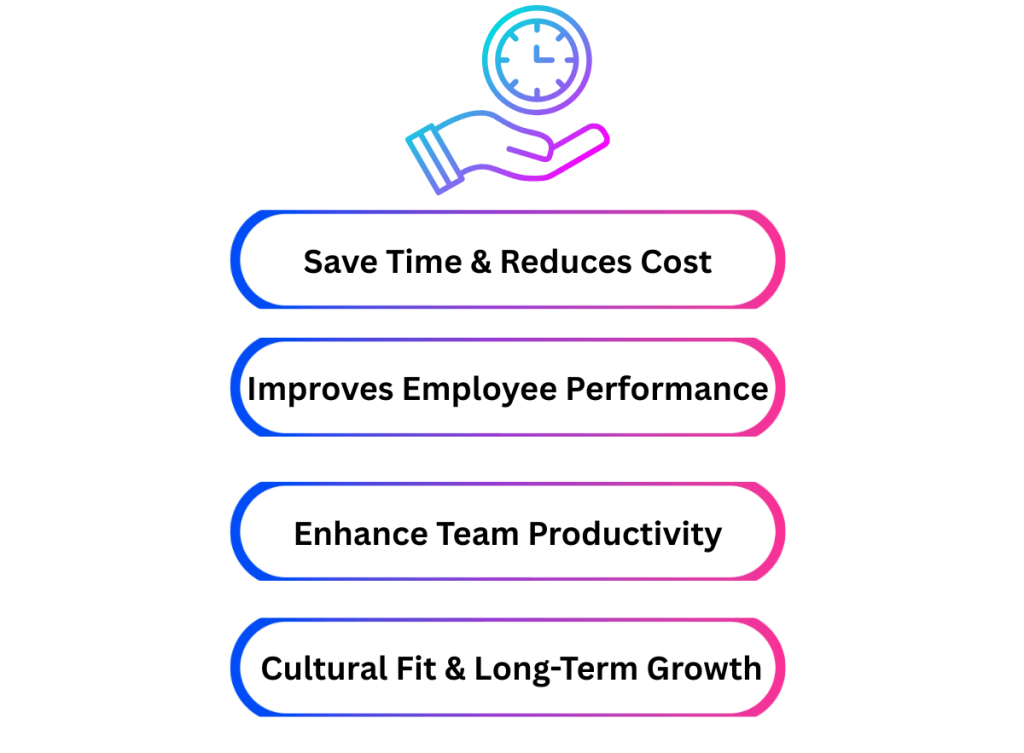
With rising talent competition, Nepali companies need modern hiring strategies. A strong hiring process ensures faster recruitment, higher retention, and better performance.
Structured hiring follows a consistent, well-defined recruitment process Nepal:
- Faster recruitment and reduced HR workload
- Higher retention and engagement
- Better cultural fit and long-term performance
- Data-backed, transparent hiring decisions
- Improved team morale and productivity
Benefits of structural hiring
Structured hiring means following a consistent, well-defined process.
- Consistency: Clear steps from job posting to final offer
- Objective decisions: Skill-based evaluation, not guesswork
- Better retention: Fair hiring enhances employee trust
- Higher productivity: Right talent – better performance
- Sustainable growth: Strong teams support long-term goals
The Traditional vs Modern Hiring in Nepal.
Traditional hiring is based on manual recruitment, such as newspapers and primary interviews, which are time-consuming and less structured. Modern Hiring. The process of hiring has now been advanced and technology-driven. Hiring companies rely on internet-based job applications such as Talentsathi and Hireshore social networks, and recruiting agencies to get access to skilled individuals.

| Aspect | Traditional Hiring | Modern Hiring |
| Approach | Manual, paper-based and reactive | Technology-driven, proactive |
| Recruitment tools | Newspaper, word of mouth, & basic job boards | Al tools, social media, online platforms |
| Candidate Screening | Manual resume reviews and interview | Automated screening, Al shortlisting, analytics |
| Efficiency | Time Consuming | More efficient and faster |
| Transparency | Limit transparency | High transparency |
| Candidate Experience | Basic, minimal engagement | Personalized, interactive, ai engaging |
| Focus | Filling vacancies | long-term fit & performance |
Step-by-Step Recruitment Process for Nepalese Companies
- Job Posting: The organization advertises the vacancy in the job portals, social media or otherwise giving information about the job and the qualifications.
- Screening: The applications and resumes are deemed to choose suitors that fit the job requirements, which is an important procedure that Nepal companies should employ.
- Interviews: Interviews are conducted on selected she/he may undergo an interview with HR, technical and finally with the managing team and management to evaluate skills experience following standardized recruitment practices in Nepal.
- Onboarding: After the selection, the new employees will be introduced to the company, trained, and incorporated into their positions.

For a clear breakdown of each step and how employers can improve hiring accuracy, see 8 Simple Steps to a Successful Recruitment Process in Nepal.
Best Practices to Improve Hiring Success in Nepal
- Create clear job descriptions
- Use digital recruitment platforms (LinkedIn, Facebook, Nepali job portals)
- Implement structured interviews
- Strengthen employer branding to attract top talent
- Use technology and AI tools for faster and more reliable hiring
Recruitment Challenges for Employers
To improve recruitment success, employers should:
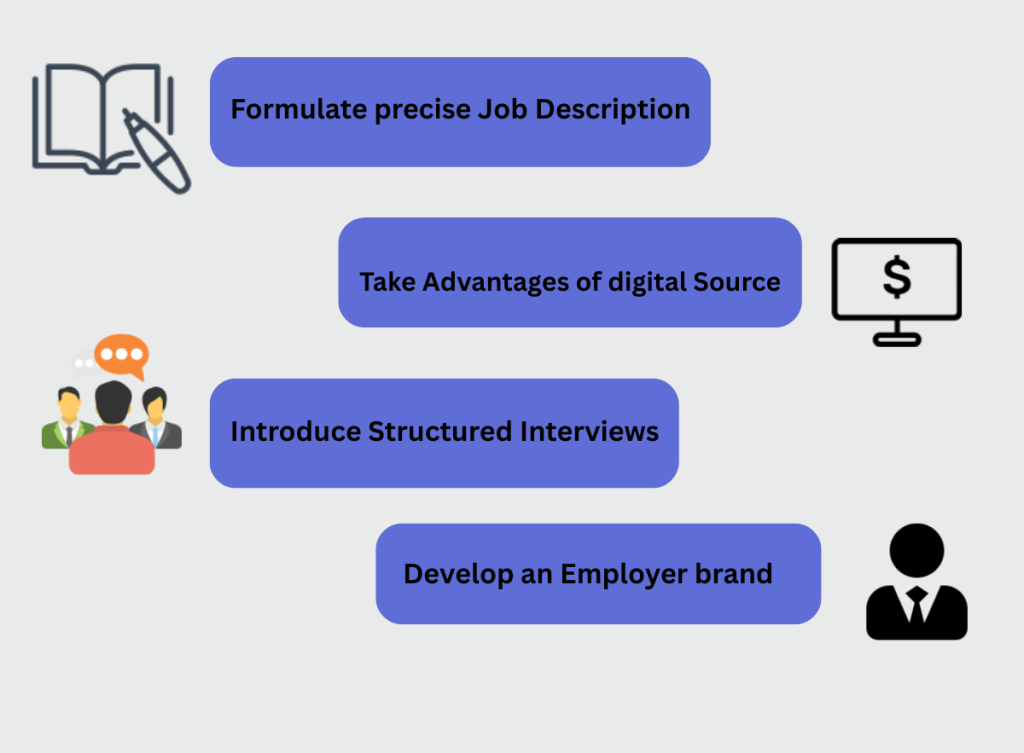
- Create Clear Job Descriptions: Define roles, responsibilities, and expectations.
- Leverage Digital Platforms: Use job portals, LinkedIn, and Facebook for cost-effective hiring.
- Implement Structured Interviews: Apply standardized questions and scoring systems to develop impartiality and consistency in assessing the candidates and to make judgement based on facts of practices in Nepal.
- Build a Strong Employer Brand: Promote culture, growth opportunities, and company achievements.
For a complete strategy to improve employer reputation and attract top candidates, read Employer Branding Nepal 2026: Attract and Retain Top Talent.
Technology That Improves Recruitment Productivity
Modern recruitment tools make hiring faster and more reliable:
- Applicant Tracking Systems (ATS): ATS reduce time and minimize errors by simplifying the process of managing applications, organizing data, and communicating with applicants. Discover the best recruitment practices in Nepal to optimize ATS efficiency.
- Virtual Interview: Digital interviews save time, reduce expenses and reach across cities or even overseas, increasing the talent pool.
- Data Analysis: This is a strategy of finding good channels to recruit, monitoring the performance of every candidate, and making the right decisions during the hiring process.
- Digital onboarding and Retention: Ensures smooth integration, enhancing satisfaction, engagement, and retention, a crucial part of the modern recruitment process Nepal.
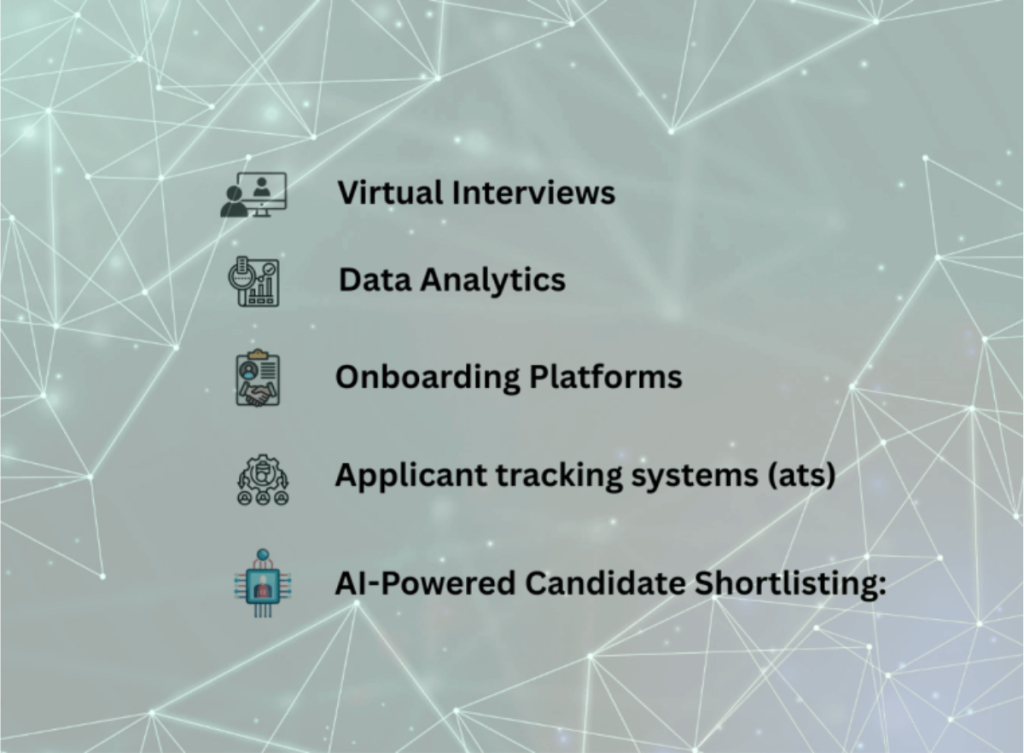
To understand how artificial intelligence is transforming screening and job matching, explore How AI is Changing the Recruitment Process in Nepal.
Induction and Onboarding Best Practices
- Offer an Orientation Program: Introduce new hires to company culture, values, and policies for faster adjustment.
- Assign Mentors or Buddies: Assign mentors to guide, support, and integrate new employees smoothly.
- Set Goals and Objectives: Set clear, measurable goals to track progress and boost performance.
- Support and Feedback Timely: Provide timely feedback and support to build trust, improve performance, and enhance retention.
Recruitment Trends in Nepal for 2026
Nepal is shifting toward advanced hiring process Nepal systems:
- AI-powered resume screening and candidate shortlisting
- Remote and virtual hiring
- Focus on digital literacy & upskilling
- Data-driven HR decision-making is all part of modern AI recruitment
Why Choose Talentsathi for smart hiring
Talentsathi makes modern hiring easier with:
- AI Resume Shortlisting: Reduce bias and select suitable candidates quickly
- HR Recruitment Consulting: Expert guidance for efficient hiring
- Interview Support & Career Coaching: Improve candidate readiness and fit
Conclusion
The success of Nepalese business depends on Employment. The correct recruitment practices will see the right employees employed in an efficient manner. A changing recruitment ecosystem in Nepal which is backed by smart tools and recruitment agencies is developing a more sustainable and stronger workforce. The structured and modern hiring practices both simplify the process of hiring and guarantee that the hired candidates fit well in the culture and long-term objectives of the organization.
Smart hiring process Nepal goes beyond vacancy filling, it builds the future of the company by hiring the right talent and overcoming recruitment challenges in Nepal.
Frequently Ask question(FAQ)
What is the most effective method of recruitment?
Employee referral programs tend to be more successful due to the networks of current employees. Referred candidates often have faster hiring, lower costs, and higher retention rates.
How to find and talk to recruitment agencies in Nepal?
Go to search engines like online directories like Talentsathi, LinkedIn or local directories and contact the person professionally through email or phone.
How/Where can I find a recruiter to help me land a job?
Use Talentsathi to connect with verified recruiters and apply to jobs easily.
Is it worth it to work with an employment agency?
Yes, they can spare time and introduce you to superior opportunities.
What are the 7 steps of the recruitment process?
Job Analysis → Job Posting → Screening → Interview → Selection → Offer & Negotiation → Onboarding
Does anyone know where to recruit great customer service talent?
Talentsathi provides access to skilled customer service professionals quickly.
How useful do you find recruiters and staffing agencies?
They are helpful in the quicker hiring of individuals, availability of talents, and career advice.
What is the best type of recruitment?
A combination of employee referrals and structured, technology-driven hiring ensures efficiency, quality, and retention.
What are the 5 Fs of recruiting?
Focus, Fit, Function, Flexibility, Feedback – key factors in hiring the right candidate.
What are the 4 Ps of recruitment?
Planning, Posting, Processing, Placement – the core stages of recruitment.
What are the four pillars of recruitment?
Sourcing, Screening, Selection, Onboarding – essential components of an effective process.