Nepal’s employment landscape is changing faster than ever. Companies across Kathmandu, Pokhara, Lalitpur, Biratnagar, and other growing business hubs are struggling with one common
Challenge: finding the right talent with the right skills.
As businesses expand, digitalize operations, and compete regionally, hiring is no longer just about filling vacancies. It is about strategic workforce planning. Employers who understand which skills Nepali companies will hire for in 2026 will gain a significant advantage in productivity, retention, and long-term growth.
This employer-focused guide explains:
- The most in-demand technical and soft skills in Nepal for 2026
- Sector-wise hiring trends
- Why skill-based hiring matters for compliance and business stability
- How companies can attract and retain skilled employees effectively
Whether you are an HR manager, startup founder, or business owner, this guide will help you align your hiring strategy with Nepal’s future workforce needs.
Why Skill-Based Hiring Is Critical for Nepali Companies
Many Nepali companies still hire reactively posting job vacancies only when positions become vacant. This approach often leads to rushed decisions, mismatched hires, and high employee turnover.

With increasing competition and stricter compliance requirements under the Labour Act 2074, businesses must adopt structured hiring practices. Poor hiring decisions can result in:
- Increased recruitment costs
- Delayed projects
- Low team morale
- Compliance risks
Companies that invest in HR planning and workforce forecasting are better prepared to handle business expansion. Proper planning helps organizations understand future skill requirements instead of relying on trial-and-error recruitment.
Businesses that lack structured HR planning often struggle with growth. That is why many organizations are now investing in proper HR planning in Nepal to forecast hiring needs and avoid long-term staffing issues.
By focusing on skills rather than just academic qualifications, companies can hire employees who deliver measurable results from day one.
Benefits of proper skill planning:
- Faster hiring decisions
- Better role-to-candidate matching
- Reduced recruitment costs
- Improved employee retention
To avoid these pitfalls, employers can learn from common recruitment mistakes in Nepal and streamline their hiring strategies.
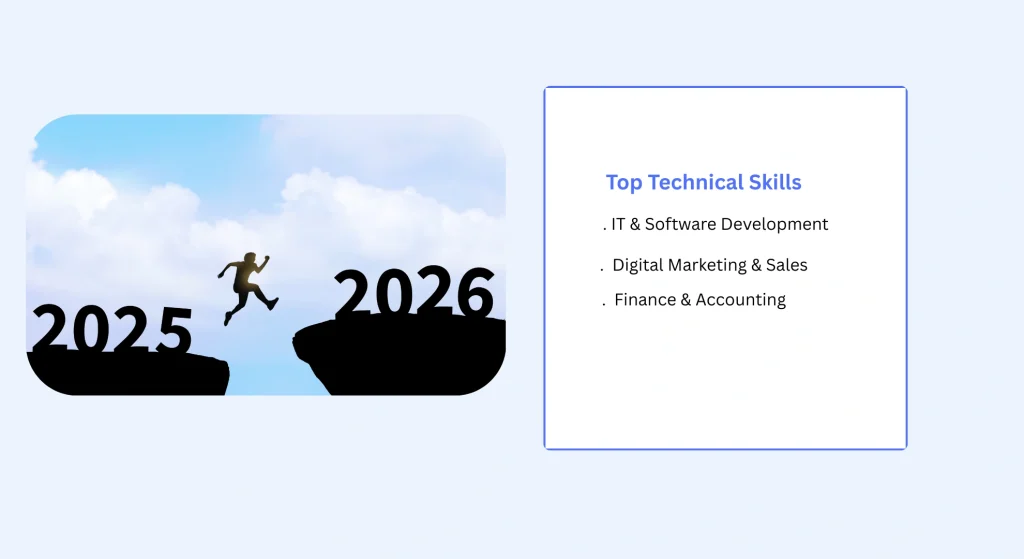
Top Technical Skills Nepali Companies Will Hire for in 2026
Technical skills continue to dominate hiring decisions across industries in Nepal. However, employers are now prioritizing practical experience and problem-solving ability over theoretical knowledge.
IT & Software Development
Demand for IT professionals is growing rapidly:
- Programming: Python, Java, JavaScript
- Web & Mobile App Development
- Cloud computing & basic DevOps knowledge
- Cybersecurity awareness
Companies can leverage project-based hiring for IT companies to access top technical talent without long-term commitments.
Digital Marketing & Sales
With businesses moving online, these skills are increasingly important:
- SEO, SEM, social media marketing strategies
- CRM tools & sales automation
- Data-driven marketing analytics
Companies can also integrate recruitment tools and software for Nepali businesses to track and manage candidates efficiently.
Finance & Accounting
Finance and compliance skills remain in high demand:
- Accounting software & financial reporting
- Payroll management & compliance with Labour Act 2074
- Risk management & internal controls
Soft Skills Nepali Employers Will Prioritize in 2026
While technical expertise gets candidates shortlisted, soft skills determine long-term success. Employers are now actively assessing behavioral and interpersonal skills during the recruitment process.
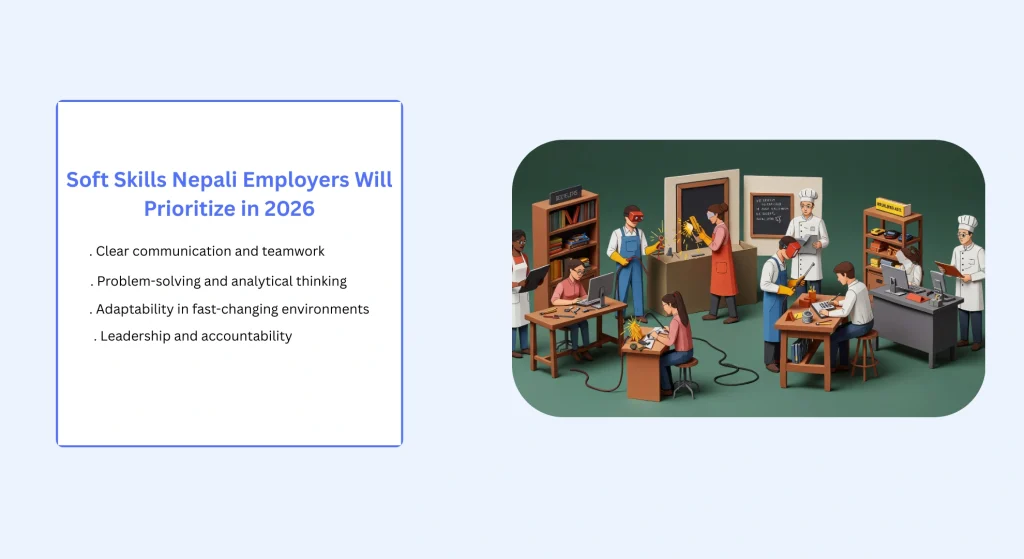
The most valued soft skills include:
- Clear communication and teamwork
- Problem-solving and analytical thinking
- Adaptability in fast-changing environments
- Leadership and accountability
Soft skills play a crucial role during onboarding and team integration. Companies that invest in structured onboarding programs see higher retention rates. Implementing effective employee onboarding strategies in Nepal ensures that new hires align with the company culture and expectations quickly.
Sector-Wise Hiring Trends in Nepal
Different types of organizations prioritize different skill sets depending on their structure and goals.
Startups
Startups in Nepal look for employees who:
- Can handle multiple responsibilities
- Adapt quickly to uncertainty
- Focus on execution over hierarchy
Hiring mistakes can be costly for startups. Many face challenges related to budget constraints and limited talent pools. Understanding the top hiring challenges for startups in Nepal helps founders make better recruitment decisions.
SMEs
SMEs prefer candidates who:
- Follow structured processes
- Take ownership of tasks
- Stay with the organization long-term
Large Enterprises
Large organizations focus on:
- Specialized technical expertise
- Leadership potential
- Industry-specific experience
How Nepali Companies Can Attract the Right Skills
Build a Strong Employer Brand
Candidates now evaluate companies before applying. Organizations that invest in employer branding in Nepal attract better-quality applicants and reduce hiring time.
Offer Clear Career Growth Opportunities
Employees value learning and advancement. Companies that provide training and development programs retain talent longer and reduce attrition.
Use Hybrid Hiring Models
Many Nepali companies combine different hiring approaches:
- Permanent hiring through direct hire in Nepal for long-term roles
- Flexible staffing via outsourced recruitment in Nepal for scalability
This hybrid model reduces risk while maintaining workforce stability.
Optimize the Recruitment Process
Slow hiring processes cause companies to lose top candidates. Businesses that implement structured hiring workflows and automation can reduce time-to-hire in Nepal and improve candidate experience.
Conclusion
In 2026, Nepali companies that align their hiring strategies with in-demand technical and soft skills will outperform competitors. Skill-based hiring reduces turnover, improves productivity, and ensures compliance with labor regulations.
Employers who plan ahead, strengthen employer branding, and adopt modern recruitment models will build resilient teams capable of sustaining long-term growth.
If your company wants help hiring top talent efficiently, TalentSathi’s recruitment experts can guide you through recruitment planning and execution.
FAQ
What are the top skills in demand in Nepal for 2026?
IT, digital marketing, finance, data analysis, and strong communication skills will be most in demand in Nepal in 2026.
How are recruitment trends in Nepal changing?
Recruitment trends in Nepal are shifting toward skill-based hiring, workforce planning, and faster recruitment processes.
What is the biggest talent gap in Nepal?
Nepal faces a growing talent gap in technical skills, digital expertise, and experienced leadership roles.
Which sectors are expected to hire the most in Nepal by 2026?
IT, digital marketing, finance, startups, SMEs, and large enterprises will see the highest hiring demand.
How can companies prepare for hiring trends in Nepal?
Companies can prepare by improving workforce planning, employer branding, and structured recruitment systems.
How can Nepali companies attract skilled employees?
Clear career growth, strong employer branding, and efficient hiring processes attract skilled employees.